If you are traveling to South Korea and want to escape the crowded tourist spots to explore rural attractions or small towns, I highly recommend planning a road trip in Korea! Driving yourself allows you to arrange your itinerary with flexibility, without being restricted by public transport schedules or transfer times. South Korea’s highway system is well-developed, and the overall road design is similar to many Western countries. Since it is a left-hand drive (LHD) system, there is no need for extra adjustment, making it a perfect way to experience the country.
This article summarizes everything you need for a road trip in Korea, including the required documents, booking process, traffic rules, highway usage, rest area facilities, and my personal self-drive route from Seoul to Busan along the East Coast. This guide will help you get behind the wheel in South Korea with ease!
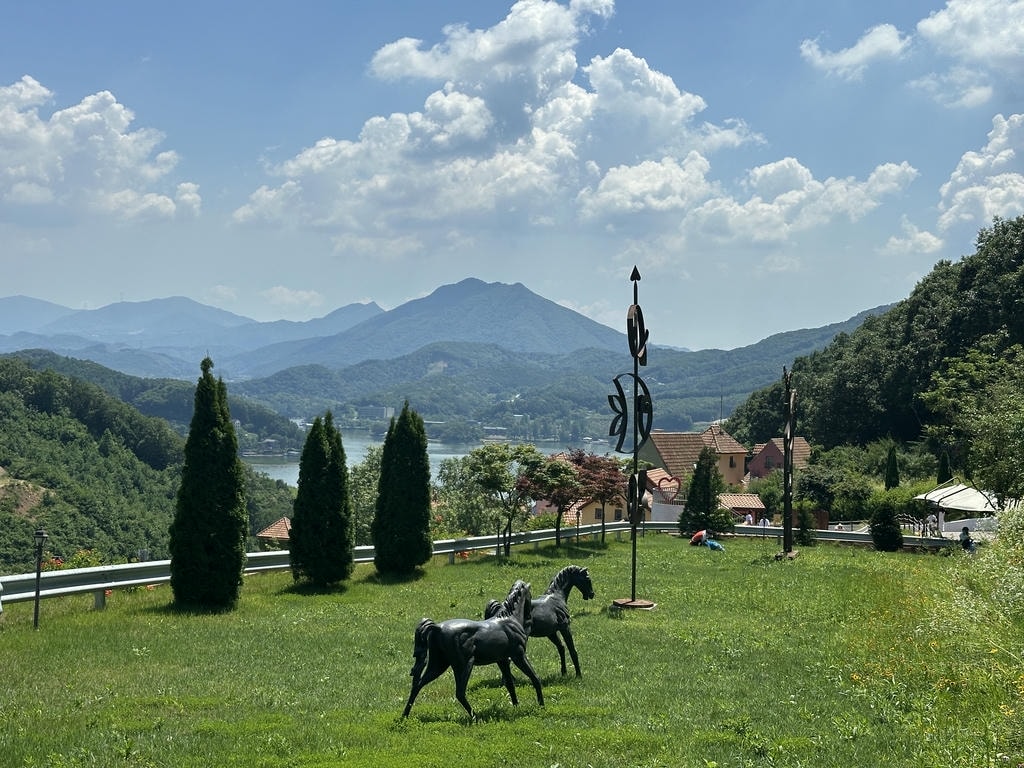
Blog catalog
Required Documents and Reservations
Driving in South Korea isn’t as difficult as you might imagine. As long as you prepare the basic documents, you can smoothly pick up your car and hit the road. Here are the four essential documents for international travelers to rent a car:
- Original Driver’s License: You must bring your physical driver’s license from your home country to present at the rental counter.
- International Driving Permit (IDP): Make sure to apply for this in your home country before departure. It is usually valid for one year.
- Original Passport: Required for identity verification and insurance purposes.
- Credit Card: Used for the security deposit and payment.
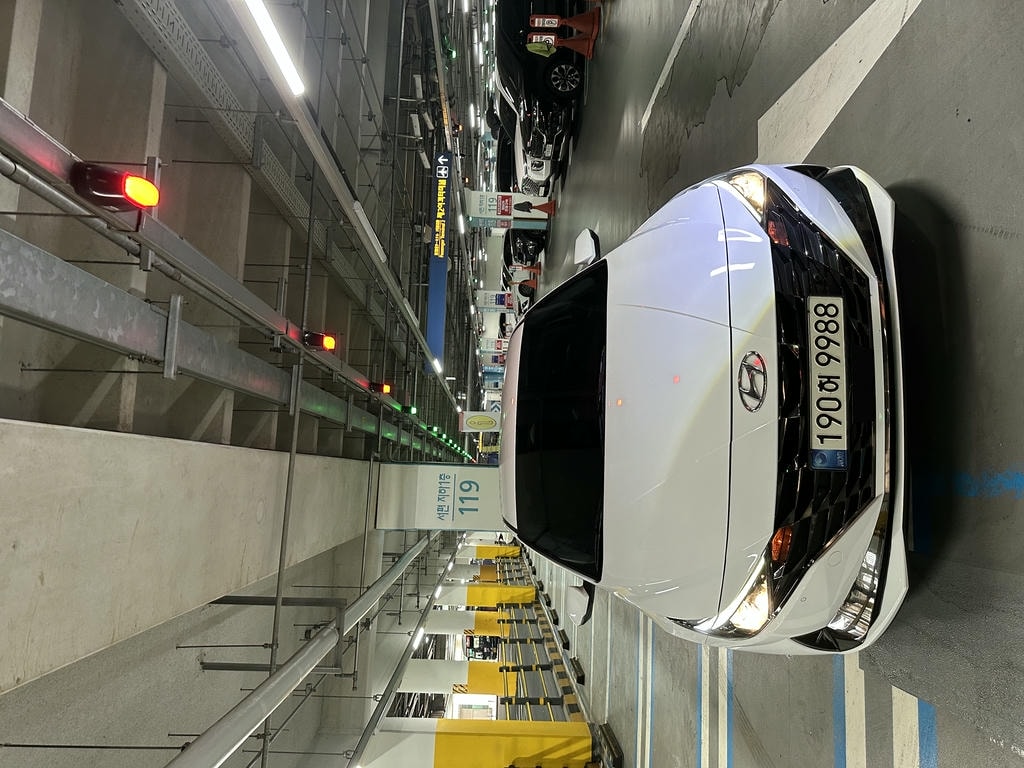
I recommend completing your car rental reservation online before you arrive. It is much more convenient than renting on-site and allows you to clearly compare car models, features, and insurance coverage. After comparing Trip.com, Klook, and Gogoout, I chose Klook because I needed a one-way rental (pick up in Seoul, drop off in Busan), which Gogoout did not offer.
Klook’s interface is clear, pricing is transparent, and the process is straightforward, making it very user-friendly!
📌 Pro Tips:
- Most rental companies require the driver to be at least 21 years old (some platforms require 25+) and to have held a license for over one year.
- It is highly recommended to opt for full insurance coverage. Having comprehensive insurance provides peace of mind while driving in a foreign country!
Navigation for Your Road Trip
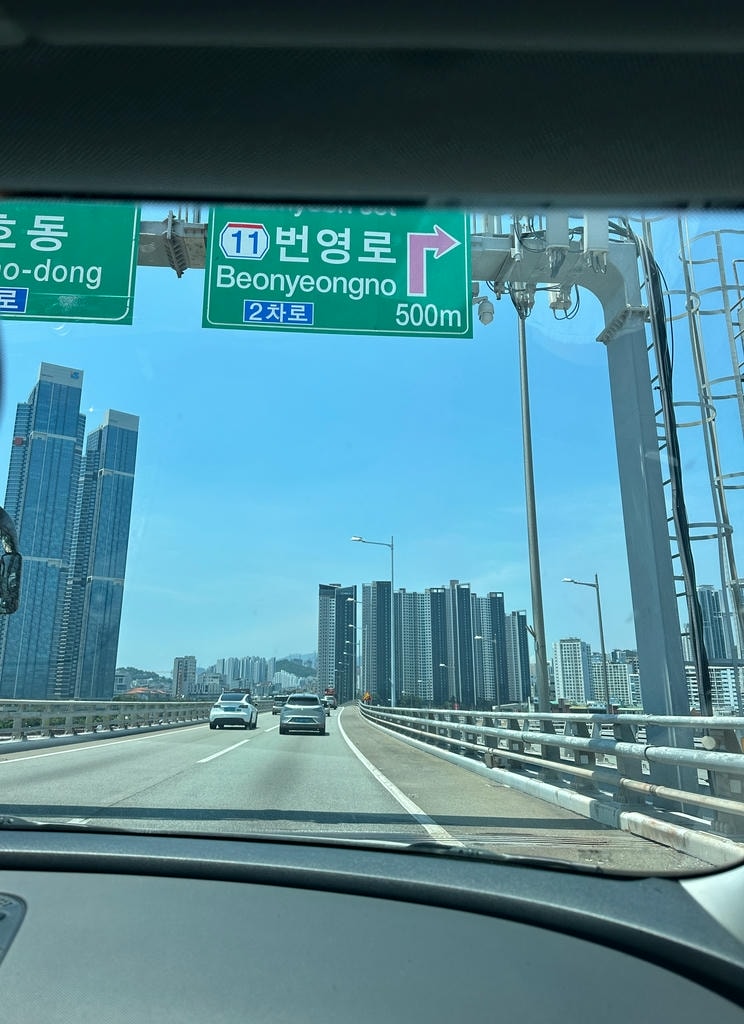
The most nerve-wracking part of driving in Korea often isn’t the driving itself, but the navigation. Google Maps has many features restricted in South Korea; for instance, driving directions do not work at all. If you usually rely on Google Maps, you will need to switch to a local app.
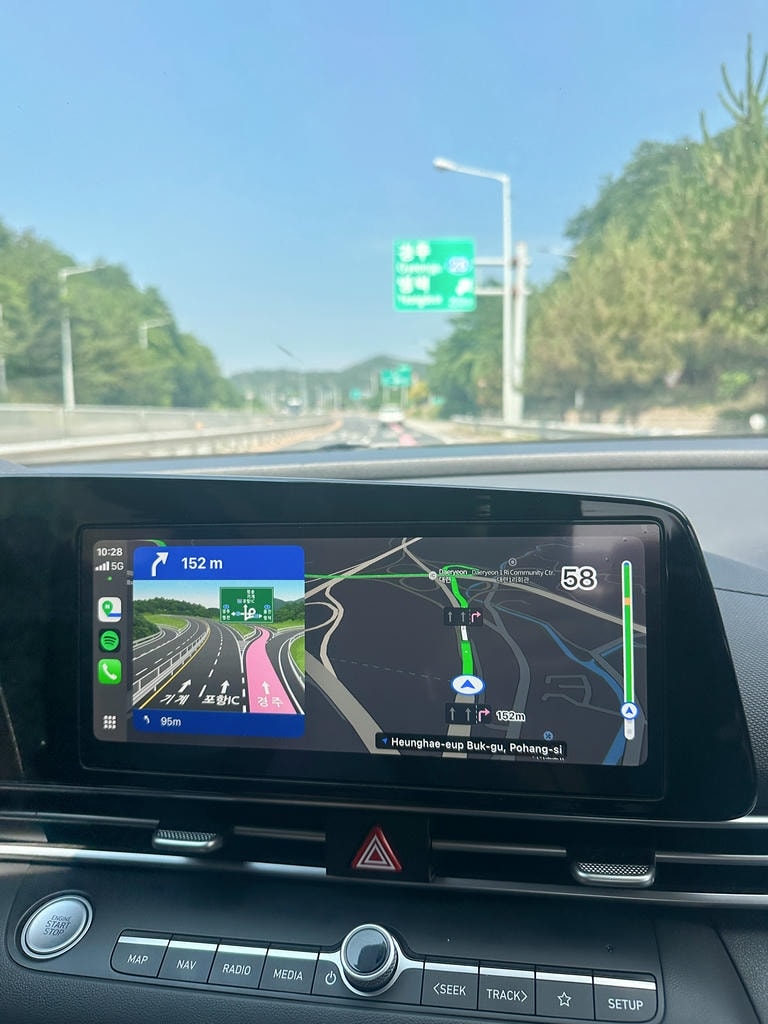
For this trip, I used Naver Map. It is stable, accurate, and offers an English interface. One of the best features is the lane guidance; Naver Map uses colors to show exactly which lane you should be in for highway exits, which matches the colored lines painted on the actual roads. Other features like traffic light countdowns and speed camera alerts are very practical, making it a powerful tool for your road trip in Korea.
Most modern rental cars support CarPlay or Android Auto, allowing you to display the navigation directly on the car’s screen. If your phone doesn’t support this, you can use the car’s built-in GPS. If you are looking for a business registered on Naver Map, you can usually find it just by entering their phone number.
📌 Pro Tip: While Naver Map supports English, it sometimes fails to find locations using English names. My trick is to find the place on Google Maps, copy the Korean (Hangul) address, and paste it directly into Naver Map.
Refueling Your Car
Common gas station brands in Korea include SK, GS, S-Oil, and Hyundai Oilbank. Prices can vary significantly between stations, but you can check real-time fuel prices via Naver Map. Most stations are self-service, and the process is similar to Western countries, accepting both credit cards and cash.
Highways and Rest Areas
If you plan to drive from Seoul to the East Coast or Busan, you will certainly use the expressway. South Korea’s highway system is clearly marked, and the rest area facilities are exceptional, making long-distance travel much more enjoyable.
Highway Tolls
Korean highways operate on a distance-based toll system. You will pass through toll booths when entering and exiting. There are two main ways to pay:
- Hi-Pass (Electronic Toll Collection)
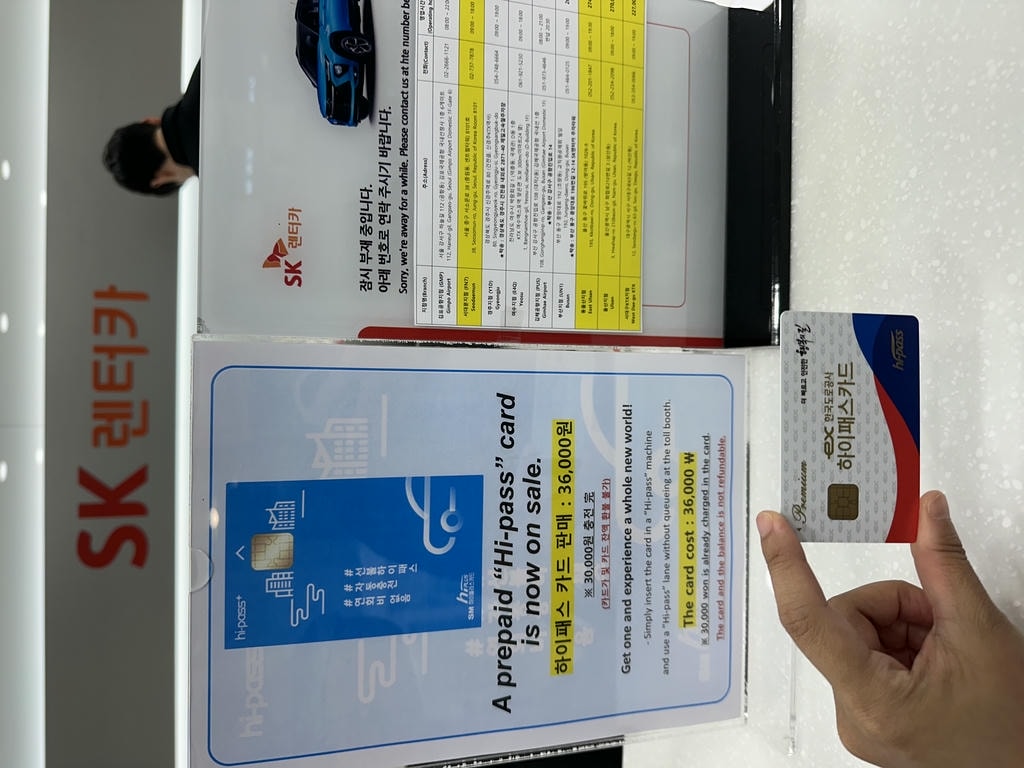
The most convenient way is to get a Hi-Pass device from the rental company. It automatically scans as you pass through the Hi-Pass lanes—no need to stop or queue for payment. My rental company didn’t offer a rental option, so I purchased a device for ₩36,000 (approx. $26 USD), which included ₩30,000 (approx. $21.70 USD) of pre-loaded credit. You can top it up at convenience stores or Hi-Pass offices along the highway. - Cash or Card Payment
If you don’t have Hi-Pass, you can use the manual lanes and pay with cash, T-Money, or a credit card (though some booths only accept Korean-issued cards).
Highway Rest Areas
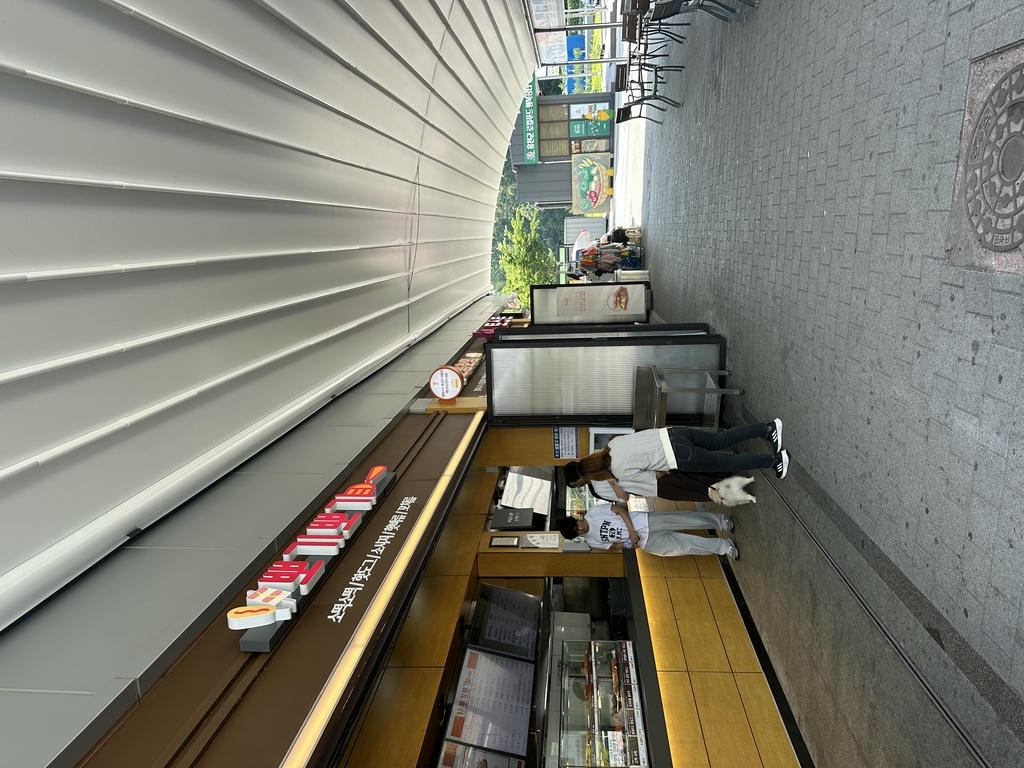
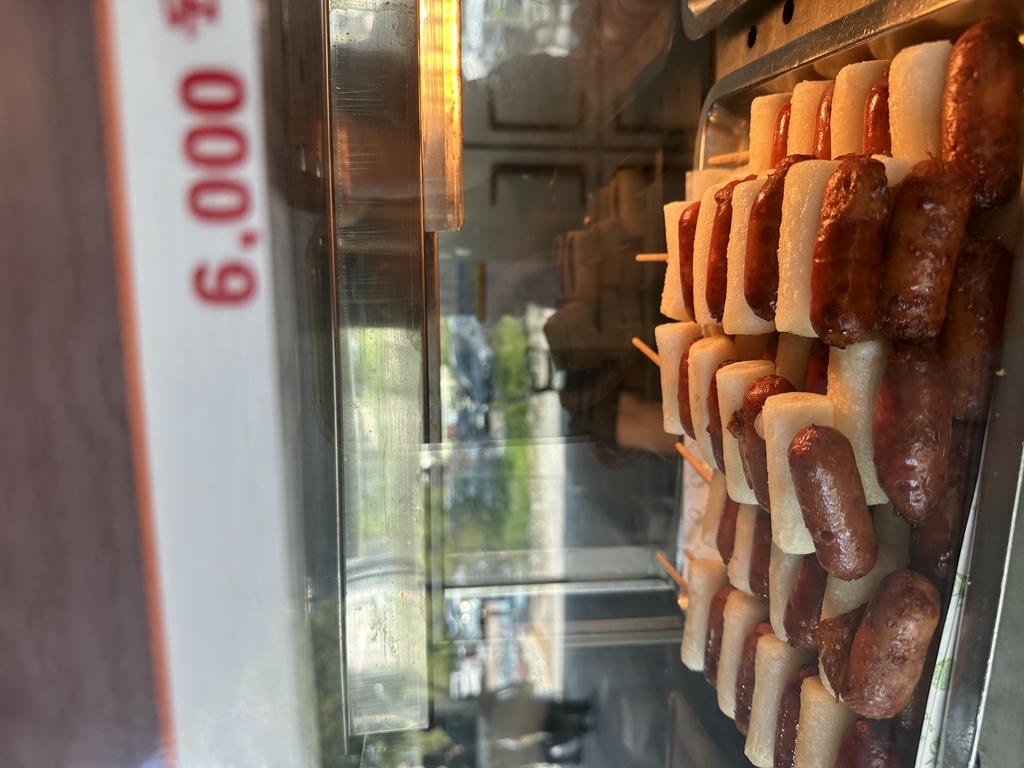
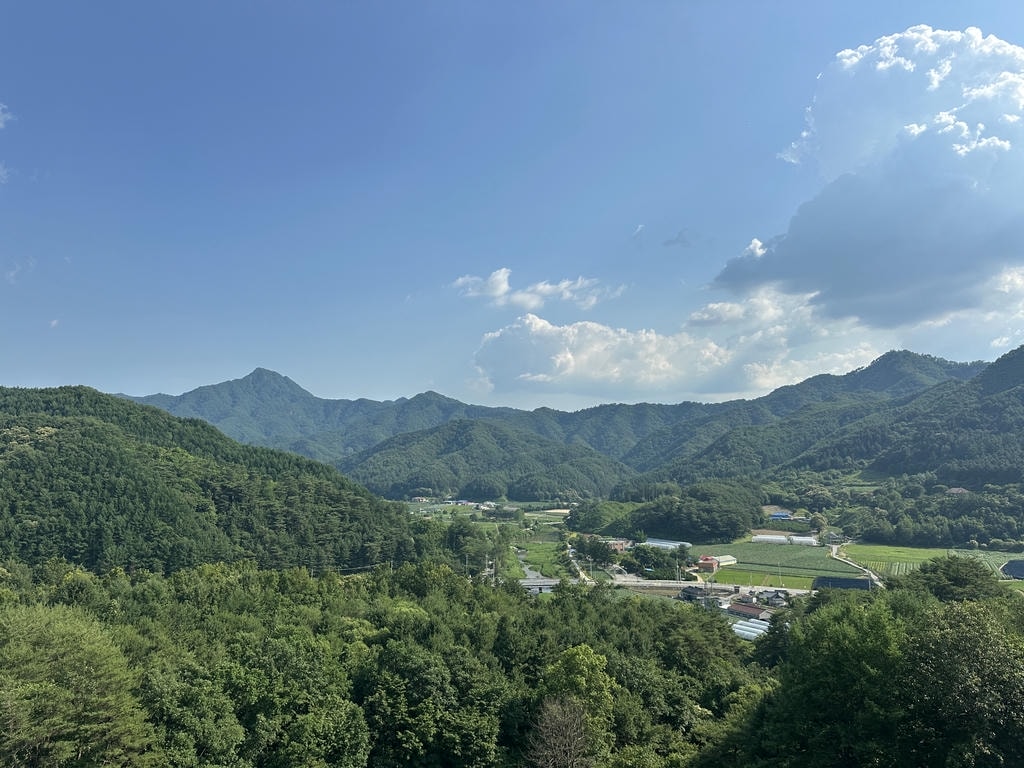
Korean rest areas (Rest Areas) are plentiful and offer much more than just restrooms. They feature local delicacies, convenience stores, and even small shopping areas! I highly recommend stopping at a few during your road trip in Korea. Many sell regional snacks, such as grilled squid in Gangwon-do or spicy braised chicken lunch boxes in Gyeongsang-do, which make for a great surprise on the road!
Recommended Itinerary: Seoul to Busan via the East Coast
If it is your first time doing a road trip in Korea, this route from Seoul along the East Coast to Busan is perfect. It avoids the heavy congestion of central Seoul and allows you to explore coastal attractions in Gangwon-do, including coffee streets, seaside art museums, and observatories. I spent about a week on this trip, but it can be done in five days if you follow a tighter schedule.
📌 I have compiled a detailed Google Map with daily stops and schedules. If you are interested, feel free to DM me on Instagram to get a copy!
Day 1: Arrival at Incheon Airport and Rest in Seoul
We arrived in Seoul at noon and decided to rest for a day before starting our road trip in Korea. We stayed at the Grand Hyatt near the airport. If you are in a hurry, you can pick up your car directly at the airport and start your journey immediately!
Day 2: Car Pickup → Petite France / Italian Village → Sokcho
- Petite France and Pinocchio & Da Vinci Italian Village make for great mid-way stops for photos and lunch.
- Continue driving to Sokcho (approx. 2–3 hours).
- Visit the Sokcho Tourist & Fishery Market in the evening for fresh sashimi or Korean fried chicken.
🛏 Recommended Stay: Airbnb (Has parking, within walking distance to major Sokcho attractions, and a balcony with an ocean view).
Day 3: Sunrise, Abai Village, and Seaside Cafes
- Watch the sunrise at Sokcho Beach or Yeonggeumjeong Pavilion—it’s breathtaking on a clear day.
- Experience the manual Gaetbae boat and enjoy seafood at Abai Village.
- Relax at a seaside cafe like Another Blue to enjoy coffee with a sea breeze.
🛏 Recommended Stay: Same Airbnb as Day 2.
Day 4: Gangneung BTS Bus Stop, “Goblin” Filming Site & Arte Museum
- Drive about 1 hour from Sokcho to Gangneung.
- K-pop fans can visit the BTS Bus Stop, while K-drama fans can head to the breakwater where “Goblin” was filmed.
- Visit Arte Museum Gangneung for an immersive art exhibition. It’s much less crowded than the one in Busan!
🛏 Recommended Stay: Gangneung Wee pension (Great location near Anmok Coffee Street, though the layout is unique and the host speaks mostly Korean, they are very kind).
Day 5: Anmok Coffee Street, Haslla Art World, and Mukho Sky Valley
- Spend the morning at Anmok Coffee Street, lined with ocean-view cafes.
- Haslla Art World is a seaside art park that is incredibly fun and photogenic.
- Visit Mukho Sky Valley in the afternoon for its skywalk and fun slides.
🛏 Recommended Stay: Airbnb (Spacious, clean, and has a bathtub with an ocean view. Note: Few supermarkets nearby, so buy supplies in advance).
Day 6: Samcheok → Jukbyeon Coast Skyrail → Pohang Space Walk
- Drive from Samcheok to Pohang (approx. 2.5–3 hours).
- Experience the Jukbyeon Coast Skyrail. It’s similar to Busan’s Sky Capsule but runs right over the ocean with much shorter wait times!
- Arrive in Pohang to see the stunning Space Walk, an elevated walkway perfect for sunset or night views.
🛏 Recommended Stay: Pohang Hotel View (Located near the beach and Space Walk with on-site parking).
Day 7: Pohang → Busan (Optional stop in Gyeongju)
- Drive south to Busan (approx. 2 hours). If time permits, you can detour to Gyeongju for a quick historical tour.
That concludes my guide to renting a car and planning a road trip in Korea! This journey from Seoul to Busan along the East Coast allowed me to see a completely different side of South Korea. Compared to public transport, driving gives you the freedom to discover hidden gems in small towns and unique highway rest areas.
However, I wouldn’t recommend driving inside major cities like Seoul or Busan. We drove in Busan for half a day, and between the difficult parking and aggressive traffic, it was quite stressful. It is much easier to use the subway or taxis once you are in the city!
Check some hot tours in Busan:
📌 VISIT BUSAN PASS: KKday|Klook
📌 Haeundae Blue Line Park Beach Train & Sky Capsule: KKday|Klook
📌 Songdo Marine Cable Car Round-trip Ticket: KKday|Klook
📌 Sea Life Busan Aquarium Ticket: KKday|Klook
📌 Busan City Day Tour (Haeundae/Gamcheon/Taejongdae): Klook
📌 Korea SIM/eSIM Daily/Unlimited Data: KKday|Holafly
📌 KTX Korea Rail Pass (KORAIL PASS): Klook
For more attractions, follow my fan page and Instagram 🙂
Facebook: Wen the Travel Begins
Instagram: @wen_the_travel_begins

